Trust and Estates

Estate Planning

Estate planning is about making clear, intentional decisions regarding how assets are managed during life and transferred across generations.

Our Approach

Tailored estate planning for individuals, families, and business owners

Murtaugh LLP works with high-net-worth individuals, families, and business owners to develop plans that reflect their priorities, family structure, and long-term goals.

Each plan is tailored to the client’s financial picture and personal circumstances. The firm regularly advises on tax planning strategies designed to support efficient wealth transfer and preservation.

Planning for blended families is approached with care and precision so that each relationship is addressed clearly. For families with special needs beneficiaries, plans are structured to provide long-term financial support while maintaining access to available benefits. Planning for incapacity is integrated into every estate plan. Clients are supported in establishing clear decision-making authority for financial and healthcare matters so that transitions can be handled smoothly.

Our Services

Matters we handle

Estate planning services include:

The result is a plan that is clear, cohesive, and aligned with the client’s intentions.

Key Contacts

Meet the attorneys dedicated to this practice

Senior Partner

W. Rod Stern


rstern@murtaughlaw.com

949-794-4000

Partner

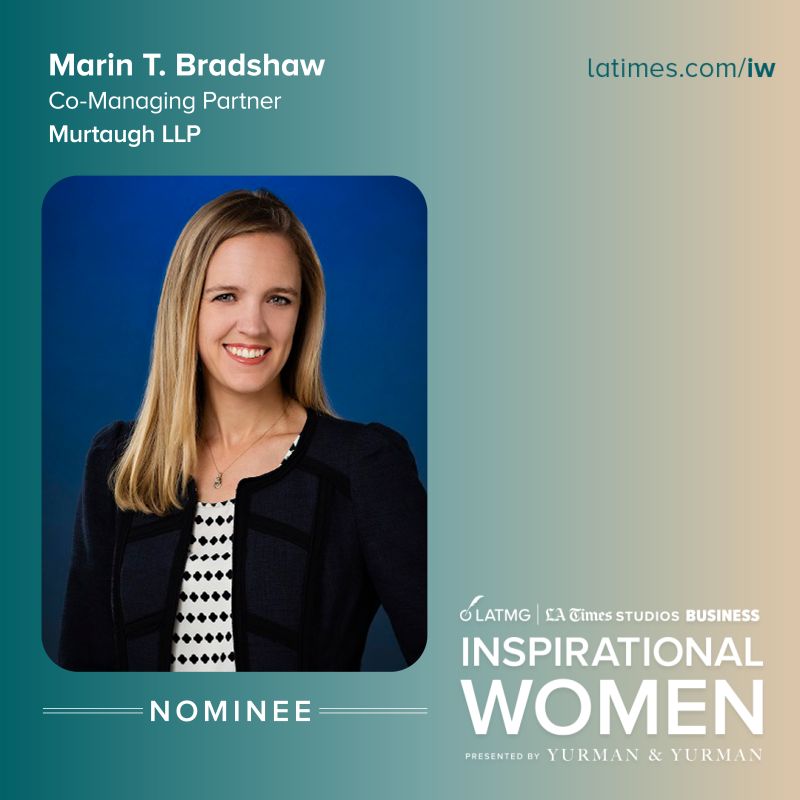
Marin T. Bradshaw


mbradshaw@murtaughlaw.com

949-794-4000

Partner

Benjamin R. Schwefel


mbradshaw@murtaughlaw.com

949-794-4000

Senior Associate

John P. Hannon, III


jhannon@murtaughlaw.com

949-794-4000

FAQS

Questions clients often ask

We frequently advise clients on matters related to this practice area. Below are answers to some of the most common questions we receive.

For estates approaching or exceeding the federal exemption, there are a variety of strategies that can reduce taxable estate liability. Some of these strategies involve lifetime gifts or sales to “freeze” the value of assets at current values. If someone is charitably inclined, certain charitable trusts ( such as charitable remainder trusts or charitable lead trusts) may be designed to benefit charity and family, while also creating income and estate tax benefits. If after careful planning estate tax liability is still expected, an irrevocable life insurance trust (ILIT) is a solution that can provide enough liquidity for payment of the tax. The right combination depends on lifestyle, family dynamics, and asset composition.

Your existing trust may remain valid, but it should be reviewed by a California attorney. California has specific rules governing community property, spousal rights, and fiduciary obligations that may not be addressed in an out-of-state trust. California also has unique property tax rules that need to be properly coordinated in any trust. Failure to do so may result in an unplanned reassessment.

This is one of the more complex planning scenarios. Various subtrusts can be created after the first spouse’s passing that can provide income and/or principal to a surviving spouse while preserving the remainder for children from a prior marriage. The structure requires careful drafting to balance the competing interests of both groups and avoid future disputes over trustee discretion.

In general, a no-contest clause is a provision that disinherits a person who contests the terms of a trust. California does allow no-contest clauses, but they are construed narrowly under the Probate Code. Whether a clause will be enforceable depends on how it is drafted and the nature of the challenge. An attorney can help draft a clause with appropriate scope and advise on its practical limitations.

A properly drafted special needs trust (also called a supplemental needs trust) holds assets for the benefit of the beneficiary without counting toward the asset limits for programs such as Medi-Cal or SSI. The trust must be carefully structured to avoid the benefits being treated as available resources. It is essential that the entire estate plan is coordinated so that assets do not inadvertently pass to a special needs beneficiary. Trustees of these trusts must also understand the spending rules to avoid disqualifying the beneficiary.

Next Steps

Let’s start the conversation

Whether you have a specific matter in mind or just want to explore your options, our attorneys are here to help. Reach out to learn how we can assist you.


Latest News

Sharing insights and firm updates